
100 Hours of 27 Years
*
100 Hours of 27 Years *
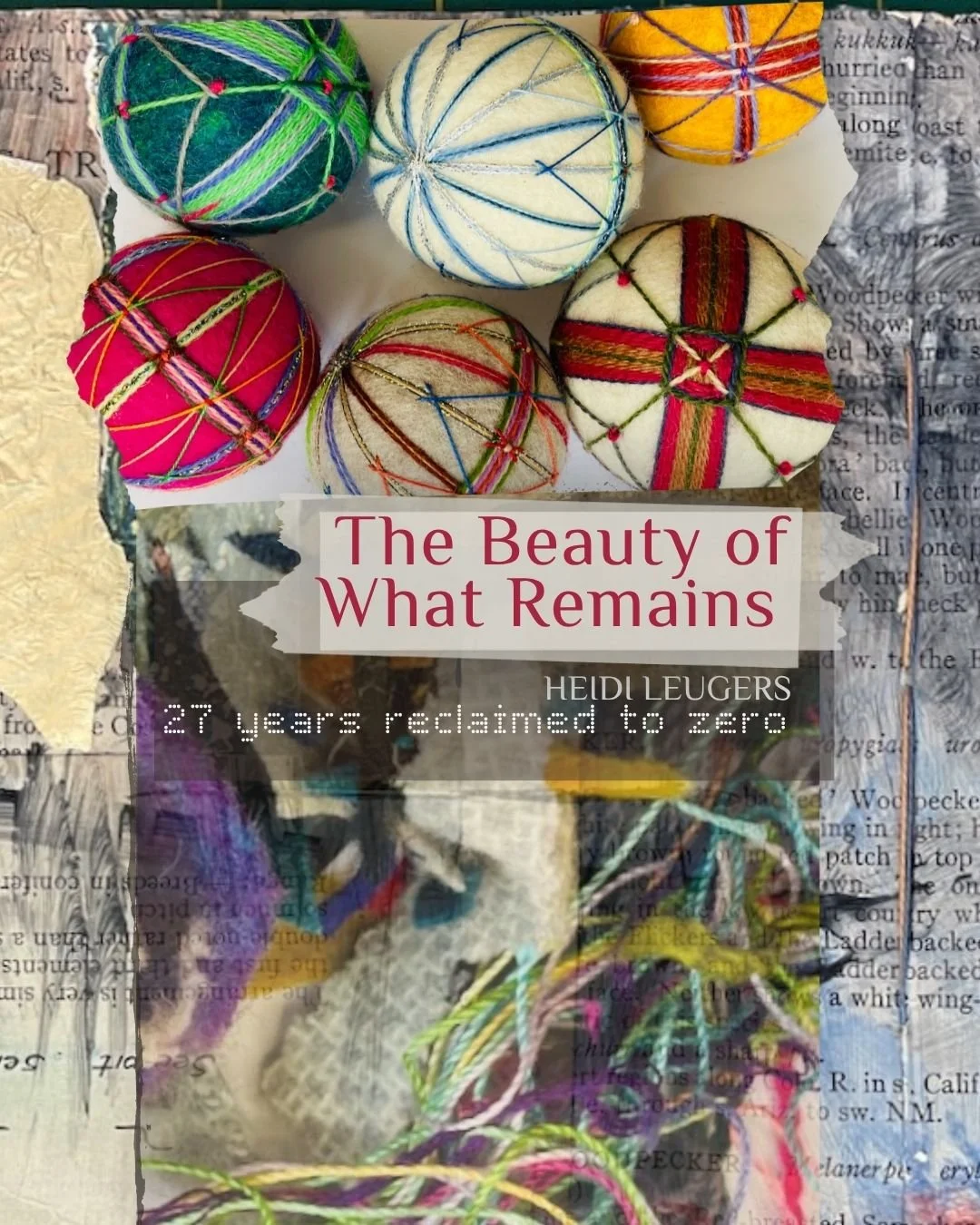
“What we had made our own is now dirty, and we want it away and gone. But waste doesn’t necessarily kill where it is in situ, it can live, and even nourish and sustain.”
Tim Dee, LANDFILL, Notes on Gull Watching and Trash Picking in the Anthropocene, Chelsea Green Publishing, 2018.
What get’s seen isn’t always what counts
This virtual view into a physical practice has not been visible on my site or (re)presented on social media before. I did not trust SM for anything but its ephemeral notion of itself.
I’m testing that bias, now.
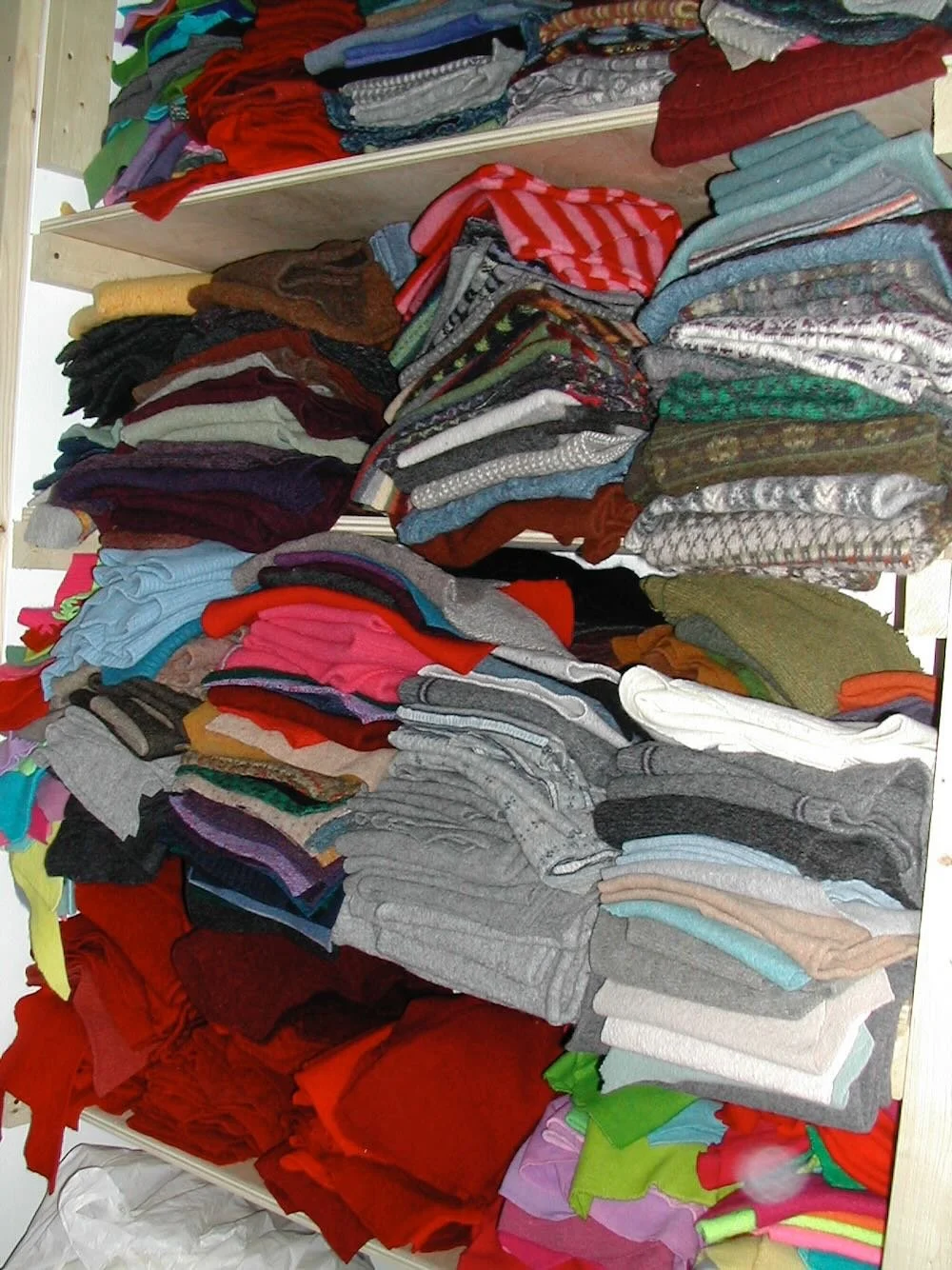
I have made over 500,000 items in wool over the last 27 years and “reclaimed” all of the waste in the making process:
Being with the making + the consuming, while doing the clean-up, in situ, along the way.
This was not about protest, although it did require me to frequently listen to the internal struggle, external pressures, and from time to time say “no”.
It was not about being a good girl, though the trying for that persona was there, too.
The effort is not monumental.
More accurately, it is a small, daily action to make or find evidence of care amidst constant threats of complete collapse. My version of art in service to the Wholeness of Beauty, an almost intolerable journey we humans, naturally, want to avoid.
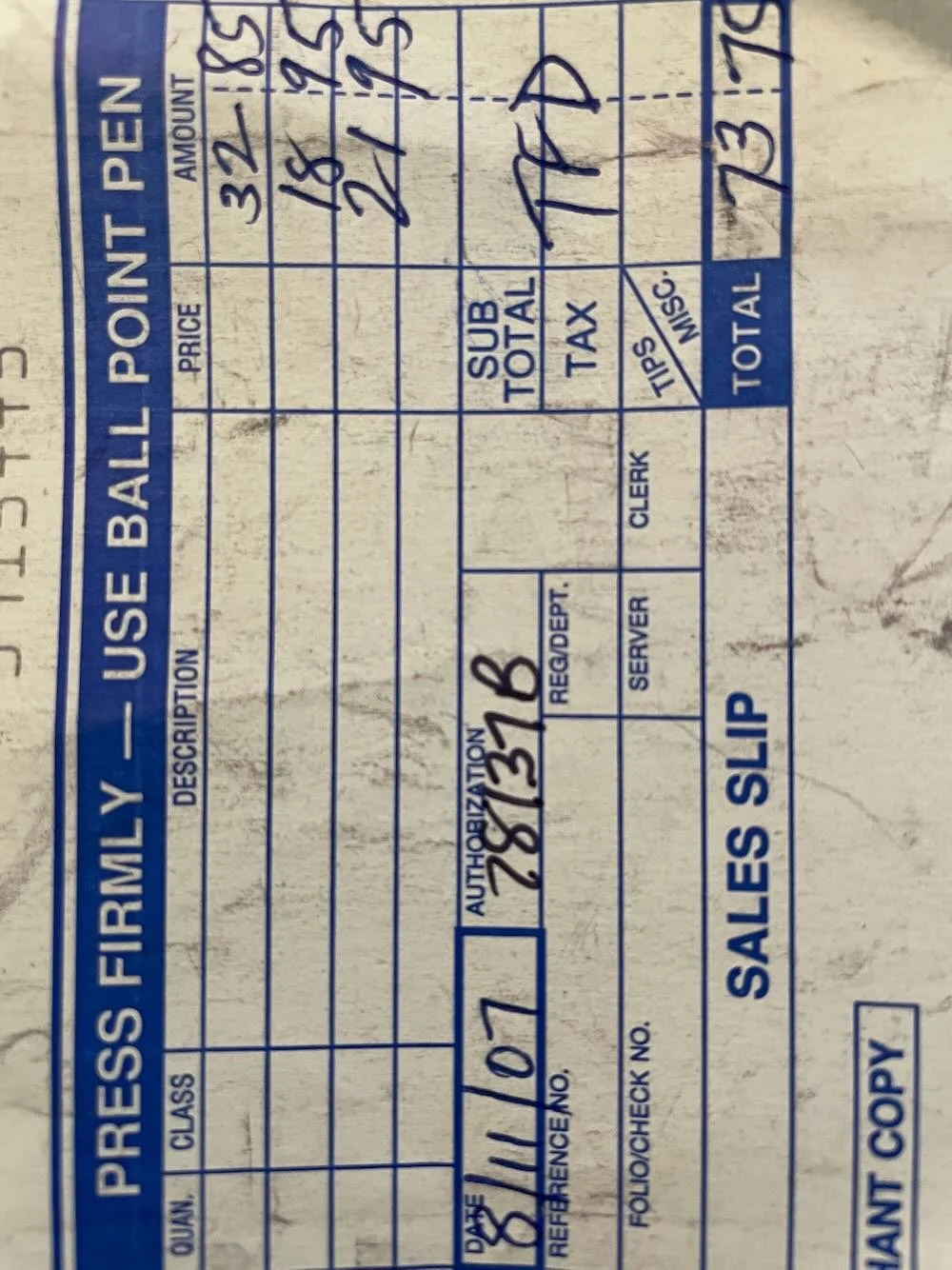
The quantity, 500K, is a reasonable count, not a perfect one. All of which surprises even me now that I have looked over the paper docs, and digital record, one scrap at a time.
The Performance, the Display, the Track, is now becoming ephemeral evidence of a receding data horizon, never inside of the original intention.
Join me.
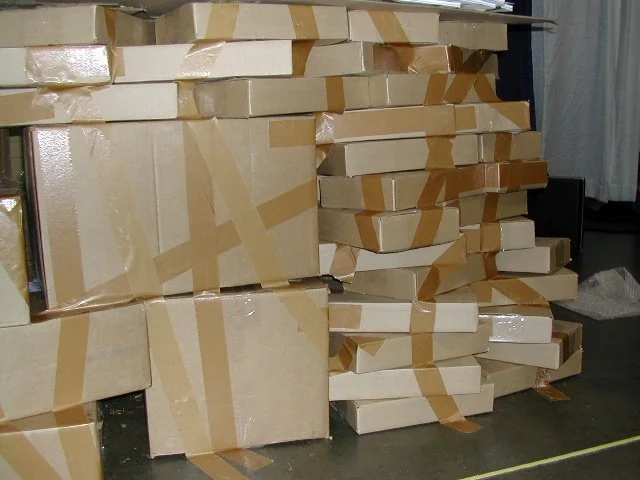
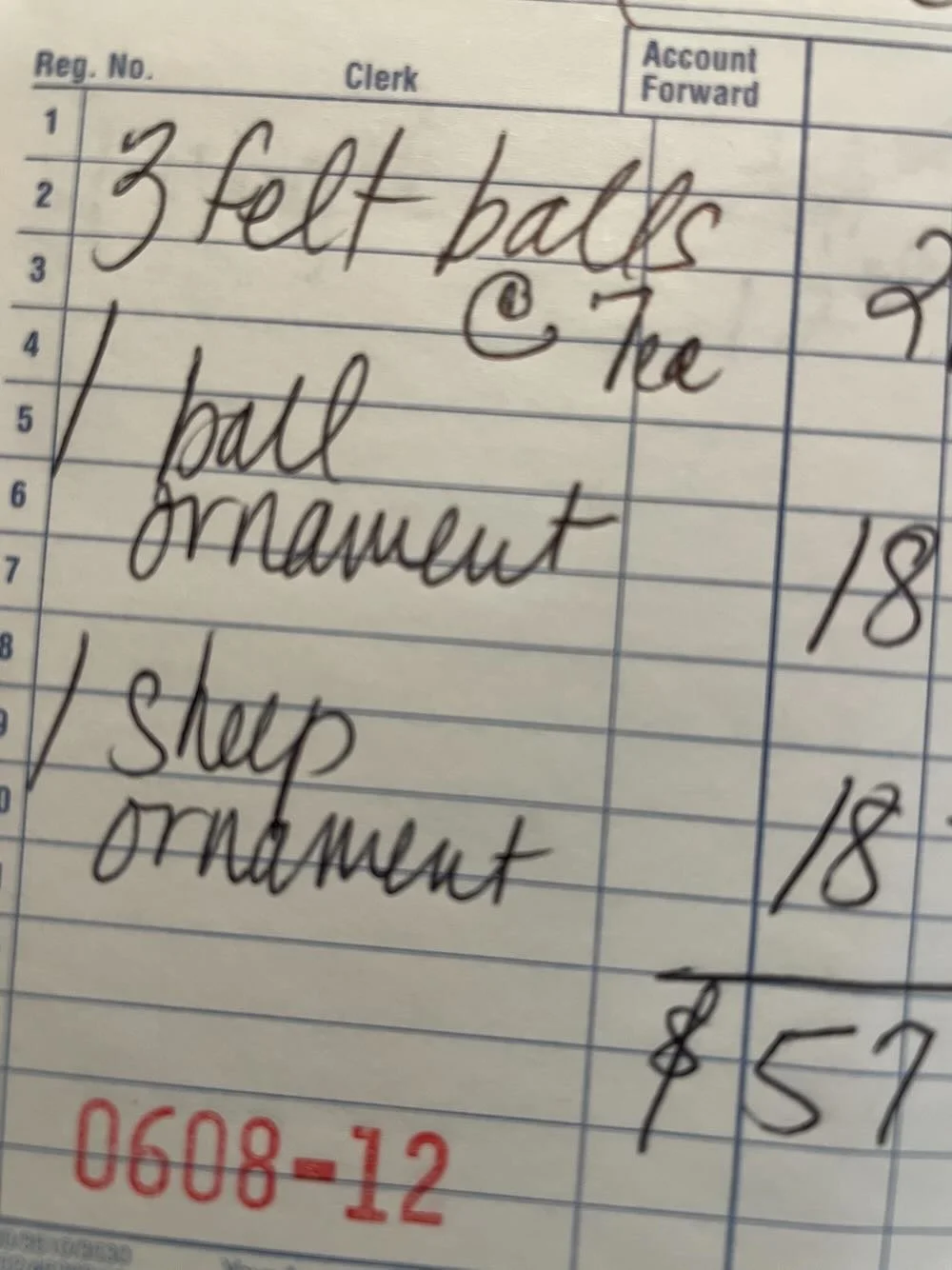
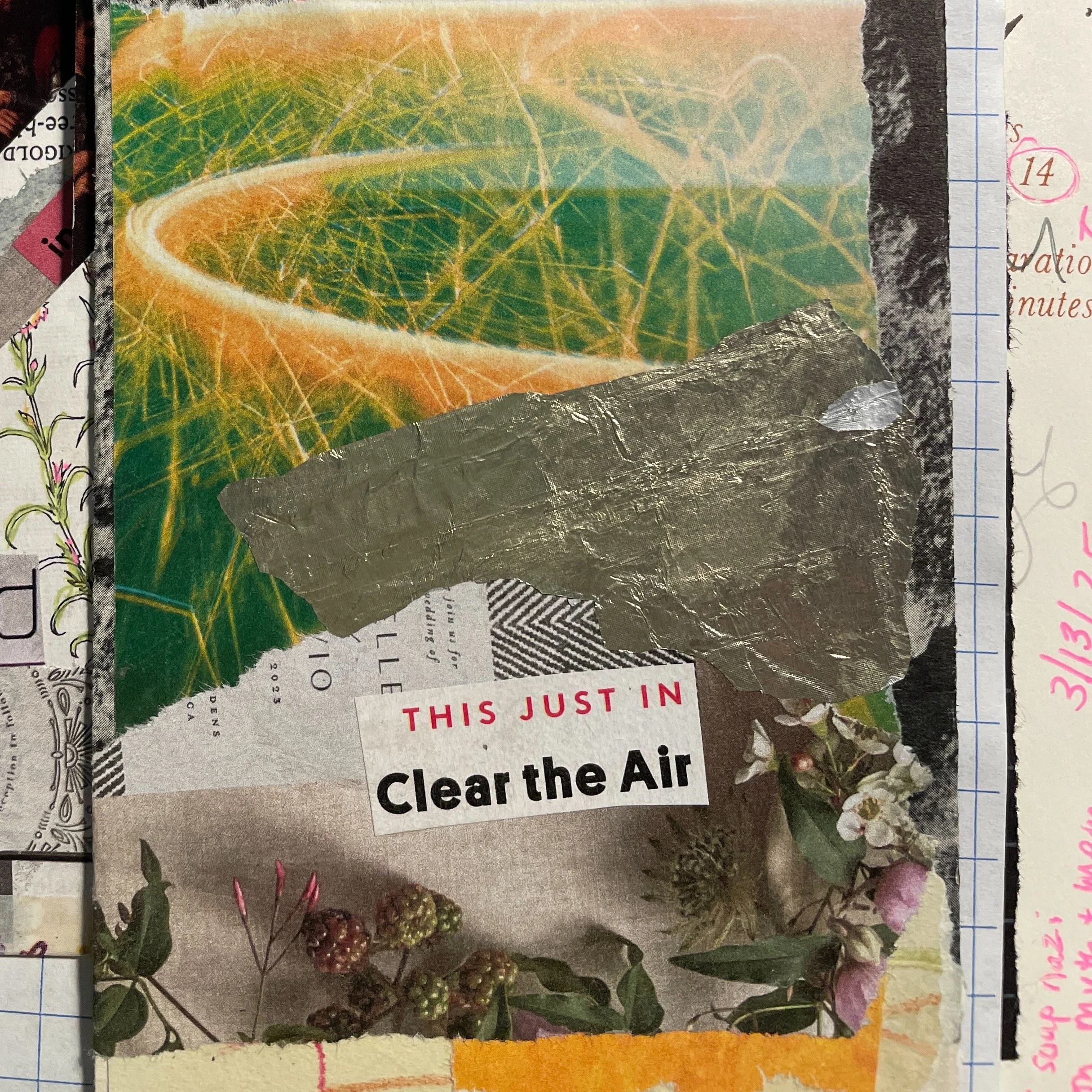
What This Project Is
Making, Tracking & An Invitation to Participate

I have arrived with 27 years of untold stories of how I did it, what I noticed/what got noticed, what I lost/what got lost, and what I found/who was found, along the way.
Over 100 hours of making will be filmed and posted letting the silence and my memories surface in the telling as you watch me, or my hands, “handle” the material, the dust, the effort, and produce/make. As I have, for 27 years.
My practice is tracked and performed in real time, on video.
Material + waste, hand + tool, supported by machine – all work together in a continuous flow and dance.
The resulting “blank” form, the center of The Stitch workshop, is finished by hand sewing that delights the eye with technical virtuoso, and belies its original content of 90% trash, dust, debris, sweat.
I don’t know how many objects these 100 hours will produce.
I trust the waste is the beginning of the next new thing: my next opportunity to respond, react, trust. A slow aesthetic.
Choice remains open and unknown.
Flow is expressed.
Material becomes real.
Full cycle healing, now on display.
Material truth + Future time = Maybe predictable + still Unknown.
You can follow 100 Hours of 27 Years on Instagram: “@rcwool.zero"
Or watch the full filming, launching on YouTube, soon.
From time to time, essays will be posted on my Substack page, Field Notes from a Zero Waste Practice.
Or Sign up for Workshop Notifications (no newsletter).
For this project, I’m starting with The Stitch in 2026. The next iterations, The Full Build and The Longer Conversation, will come in 2027. Scroll down to learn more about each.
Or, Subscribe to My Newsletter.
Spoiler alert: Subscribers also get special pricing in each newsletter on the things I make and sell. I’ve sent two in 15 months. I will try to do this every 4-6 weeks.
Because, for 27 years, this is how I decided to make a living I can live with: more making, less talking. Is that what “wag more, bark less” actually looks like in human practice?
Workshops
Each workshop is a small argument: that creating doesn’t require starting from new, or starting from nothing; that what looks like waste, or is labeled as such, is usually just accumulated material waiting for, or in need of, a different question or consideration - that’s been my ‘art’, crafted daily, for 27 years. Join me!
-
An Introduction to the Practice — for Stitchers, Menders, and the Curious
This workshop begins at the end, using hand embroidery skills on a finished form.
This is an entry point for makers who want to work in alignment with ecological principles without sacrificing aesthetic intention. It is also, simply, a chance to stitch — which for many people is how they meditate, rest, or find freedom from the relentless pressure of open-ended choice. The kit exists for exactly this reason. Both are true at once.
You will learn the stitching technique that completes each piece — the specific needle, the thread, the movement that brings my studio’s wool waste into its final expression. Each form in the kit is made from 90% reclaimed wool waste and 10% new wool. The new fiber is what makes the reclaimed material hold. This ratio is not a compromise — it is what reclamation actually looks like. Something new enters every act of making, even when it is almost invisible. For this form, it is not plastic.
Beginners welcome, and experienced embroiderers will enjoy learning how to stitch in the round. All materials provided.
• Live, IN PERSON •
Sunday, November 1, 2026Sign up directly on the Oregon Flock and Fiber Festival–Workshops Page. Scroll down until you find The Beauty of What Remains, WS672.
CLICK HERE TO SIGN UP THROUGH OFFF
• Online • November 7, 2026.
SIGN UP TO BE NOTIFIED of when registration goes live and kits are available in the online store.• Bring “The Stitch” Workshop to your Guild or Group • Ongoing
Available Live On-line or In-person.
LET’S FIND A DATE -
A Three-Part Workshop for Those Who Want to Enter the Practice from the Beginning
This workshop is for makers who are already in the soup—carrying their own questions about labor, material, waste, and what it means to make something with ecological intention in the current moment.
Across three sessions, you will work with waste material drawn directly from the studio's 27-year reclaiming stream. You will sort it, prepare it, and build the form yourself—by hand and with the help of a machine—before stitching the form into its finished expression. For the duration of the workshop, you are a collaborator in a practice that has been in continuous production of zero waste since 1998.
Between and alongside the making, there is time for reflection. Each session includes a journal prompt and a short, optional conversation with other participants. This not a critique, not a lecture, but a genuine exchange about where each person is right now with the questions the work opens in our personal lives and community on themes of waste, abundance and loss.
Those questions include: What does care for an object look like? What is the difference between stewardship and ownership? What did your hands know that your mind didn't expect as you moved through each step? Where did your mind move as you stitched?
This is slower, more physical, and more complete than the introductory workshop. It asks more — and returns more.
-
An Invitation:
What does it mean to make anything in a world drowning in stuff?
This question has been alive in my studio for 27 years. It connects to others - other people, other beings, other questions: Who made this? At what cost? For whose benefit? What happens to it when we are done with it? What do we reclaim, what do we let go, and what do we allow to disappear?
If these questions are alive in your organization’s programming, your art collection, your business team, or your own creative practice — there is a more extended version of this work available.
Learn more about co-creating an extended residency or my one - three day institutional proposal process. Contact Heidi
The 100 Hours Collection
🪡
The 100 Hours Collection 🪡
The objects made from the waste transformed during these 100 hours will eventually be offered as a single work (one collection), not sold and dispersed as individual pieces.
This is a project where Craft meets Art, in a win-win. Art cannot assume a win over Craft, any longer. Such a relationship, in my experience, is unsustainable. The Beauty is in the space between, in their difference and their connection.
More on that, and the human habit of collecting/collections, as the tracking, as the counting, continues.
A note on that counting thing
This practice began in 1998, before social media, before the smartphone became anything close to what it is today, before the language of zero waste, or buy nothing, or visible mending, or creating art-objects or installations from municipal waste centers became sexy, almost popular now, before practicing slow craft, or consuming fast-fashion, or slow anything existed the way it does now.
I was not doing zero waste in 1998. I was doing what made sense: “if I make this, I also make this waste, and I don’t want to send it to a landfill, or burden my community, the same community I am offering the former gift-object to, so I will find out what else this latter bit (waste), can become, right here, right now, in my hands - the ones that made the former and generated the latter, together, to begin with.”
I am still finding out. Nothing from this practice ends here.